

The Conversations We’re Missing
Why connection feels harder & how Betting on Humanity designs for it

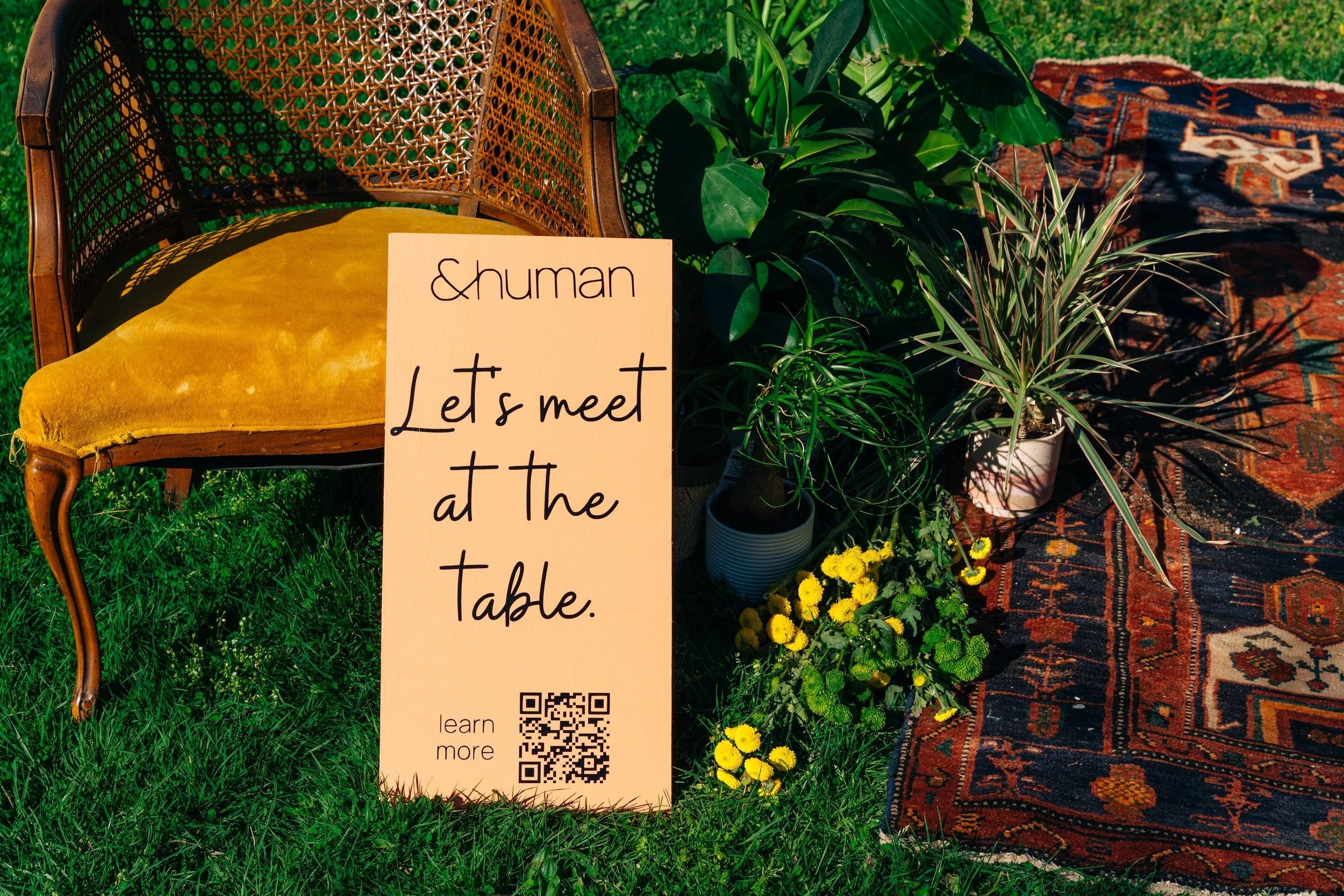
“I just wish there was a way to sit down and have an actual conversation and not feel like I’m screaming into a void or at a wall… or talking through someone. Conversations used to feel real, right?”
She’s not imagining that.
And I’m guessing you have probably expressed something similar recently.
My heart sank as a colleague shared this sentiment in a conversation about her daughter who is deaf, and her school district eliminating the specialized school that supports her. Neither side is totally wrong. But they can’t see each other in the debate and there is currently no space for true understanding, or problem solving that leads to a solution that doesn’t harm the vulnerable.
Maybe you’ve had moments like this too? Instances where, even when participants are mostly aligned, the slightest difference in perspective can shut down a conversation. Questions remain unspoken, conformity wins, and understanding loses.
My colleague’s story reminded me of a leader I’ve been coaching, who recently stepped into a new social impact role where she’s responsible for convening conversations for people who have real influence on changing systems.
She’s done this before, but always with a well-known institution behind her. Now she needs to build trust on her own and the stakes feel higher. “I’m either going to wing it and potentially miss a real opportunity, or over-prepare and it feel scripted. We’ll miss out on the real conversation.”
A mom. A leader. Two different contexts.
Same gap.
We’re surrounded by more ways to connect than ever, and somehow the conversations that actually matter are getting harder to have. You’ve probably felt this too. That’s by design.
Most people weren’t explicitly taught the skills to connect beyond theory, if even that. And the result is that people are either talking at each other, or avoiding exchanges entirely, the irony being that everywhere you turn, you see a new event or group touting connection. Why?
People are craving conversations that feel enriching, nourishing, and deeper; the elusive connection that everyone is talking about, the one that many of us have lost the muscle memory for (or were never taught in the first place).
So... how do you facilitate connections that flourish beyond the introduction while also not feeling forced or prescriptive? That’s exactly what we share here.
This is Betting on Humanity, where the &Human team and I share what we’re learning about the conversations that shape culture, communities, and the people brave enough to push for better.
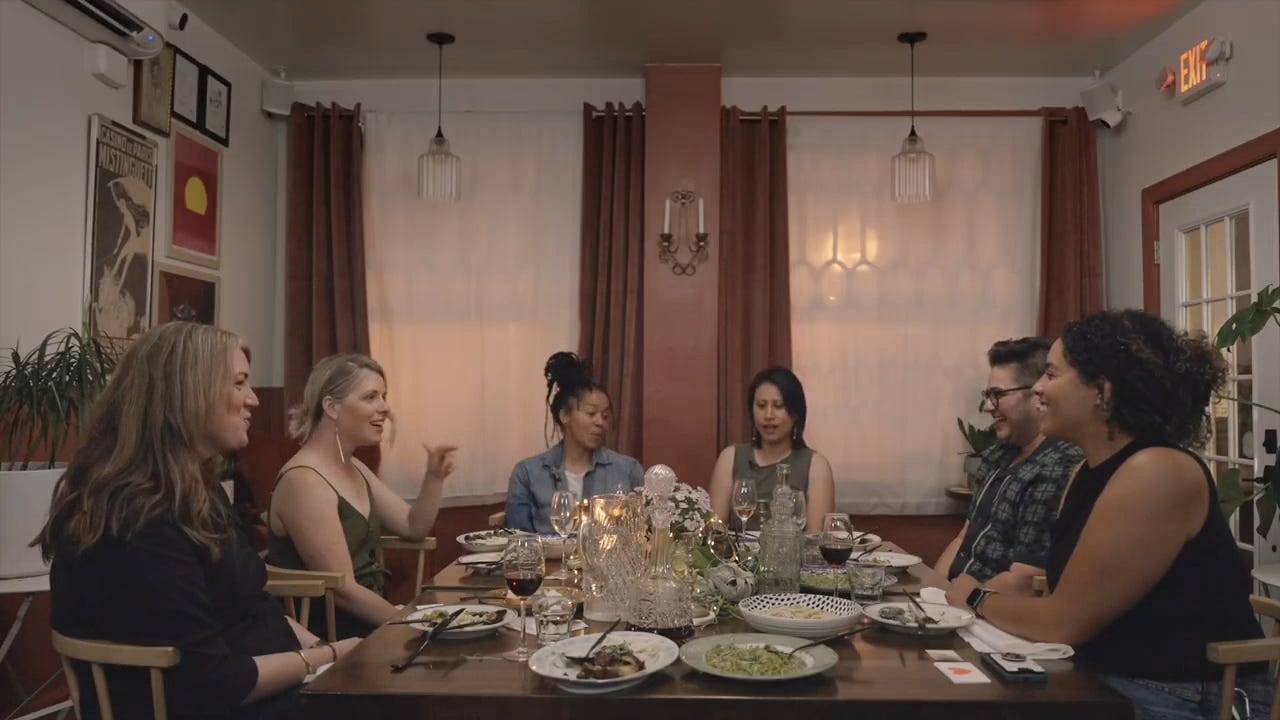
Because it’s not magic, dumb luck, or just something a few people are born with.
After hundreds of facilitated conversations — with executives, strangers, community members, neighbors, friends, family — I can tell you that these moments can function like beautiful pieces of choreography. These moments are about knowing when to guide a conversation or let go of control is absolutely skill more than it’s an instinct. And it’s about more than simply navigating what’s happening in a room; it’s about designing for the right room in the first place.
Which can involve any number of considerations: What will create space for meaningful exchange rather than passive attendance? How should participants feel by the end? Which pacing and energy is appropriate? How will movement within the space affect interaction? What should the leader do to plan for presence, rather than control?
Betting on Humanity will show you how to make those choices and others. You’ll learn how to design for moments that build communities, strengthen institutions, and deepen your work as an impact leader. We share our methods here and we share them as they relate to real-world challenges, because we want as many people as possible to build connection skills.
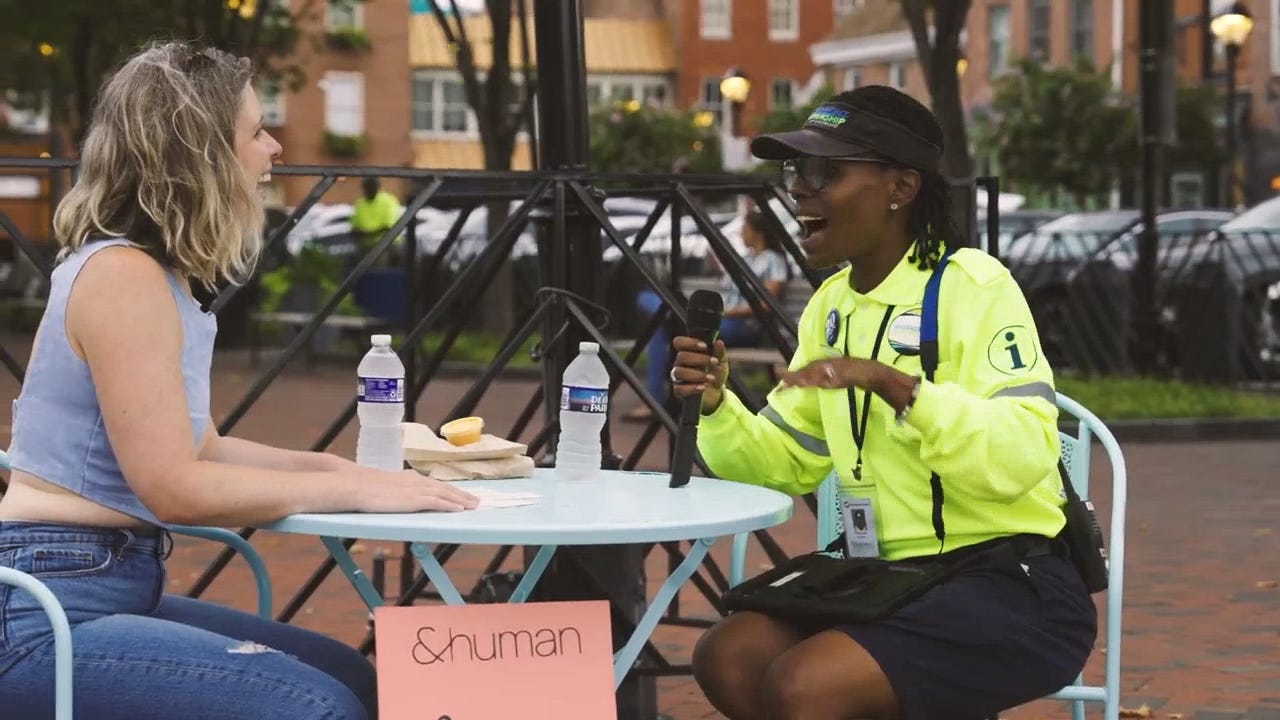
The bet is that people still want to connect.
If you’ve ever been in a room full of brilliant people and felt like nobody was actually talking to each other… if you’ve facilitated a conversation that mattered and walked away wondering whether you missed the moment that could have changed everything… if you’ve watched a community you care about fracture over a conversation that never actually happened… if you’ve hosted a gathering that looked right on paper but fell flat the moment people sat down — you’re in the right place.
The bet is that people still want to connect. That they’re capable of more courage, curiosity, and care than the current conversation climate gives them credit for. And that if we design for it (with intention, with research, with heart) the conversations we have can become the foundation for the brighter future we believe is possible.
So here’s what I’ll ask, and I’m asking because I think you’re here for the same reason we are: share this with someone who needs it.
Engage with us in the comments. Tell us what words you’ve been sitting on. This is a publication and a conversation, and we’re designing it so that you can be a part of it.